Paraffin wax

Sauer202 · CC BY 4.0
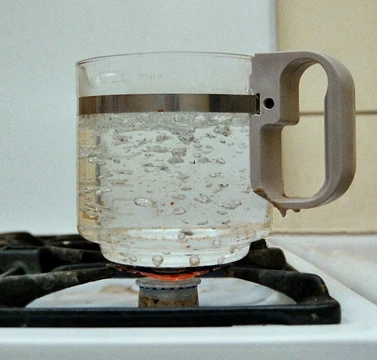
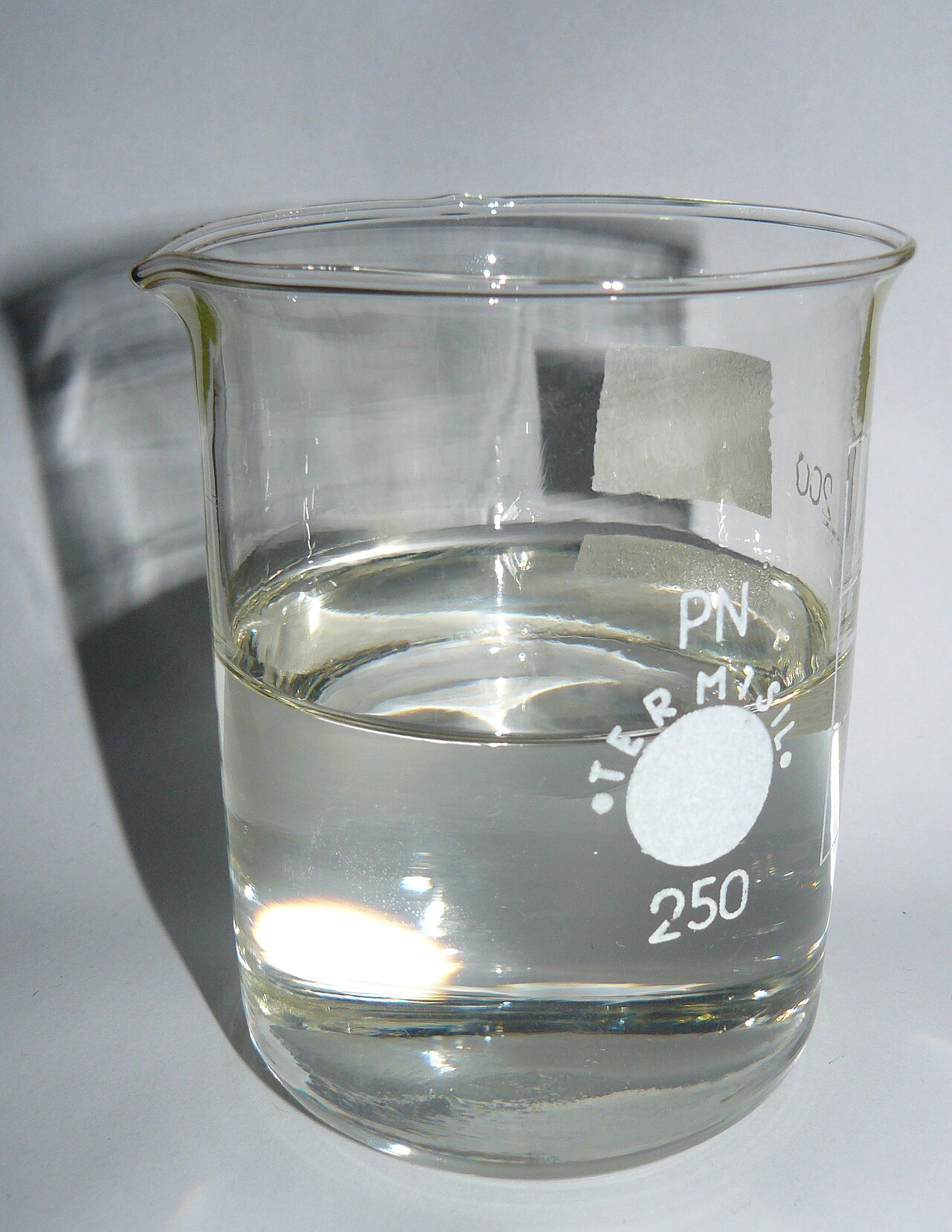
Paraffin wax is a soft, colorless solid derived from petroleum, coal, or oil shale, consisting of a mixture of hydrocarbon molecules containing between 20 and 40 carbon atoms.
- creator
- Carl Reichenbach
- country_of_origin
- Germany
- chemical_class
- alkane (paraffin)
- heat_of_combustion
- 42 MJ/kg
Lore & Background
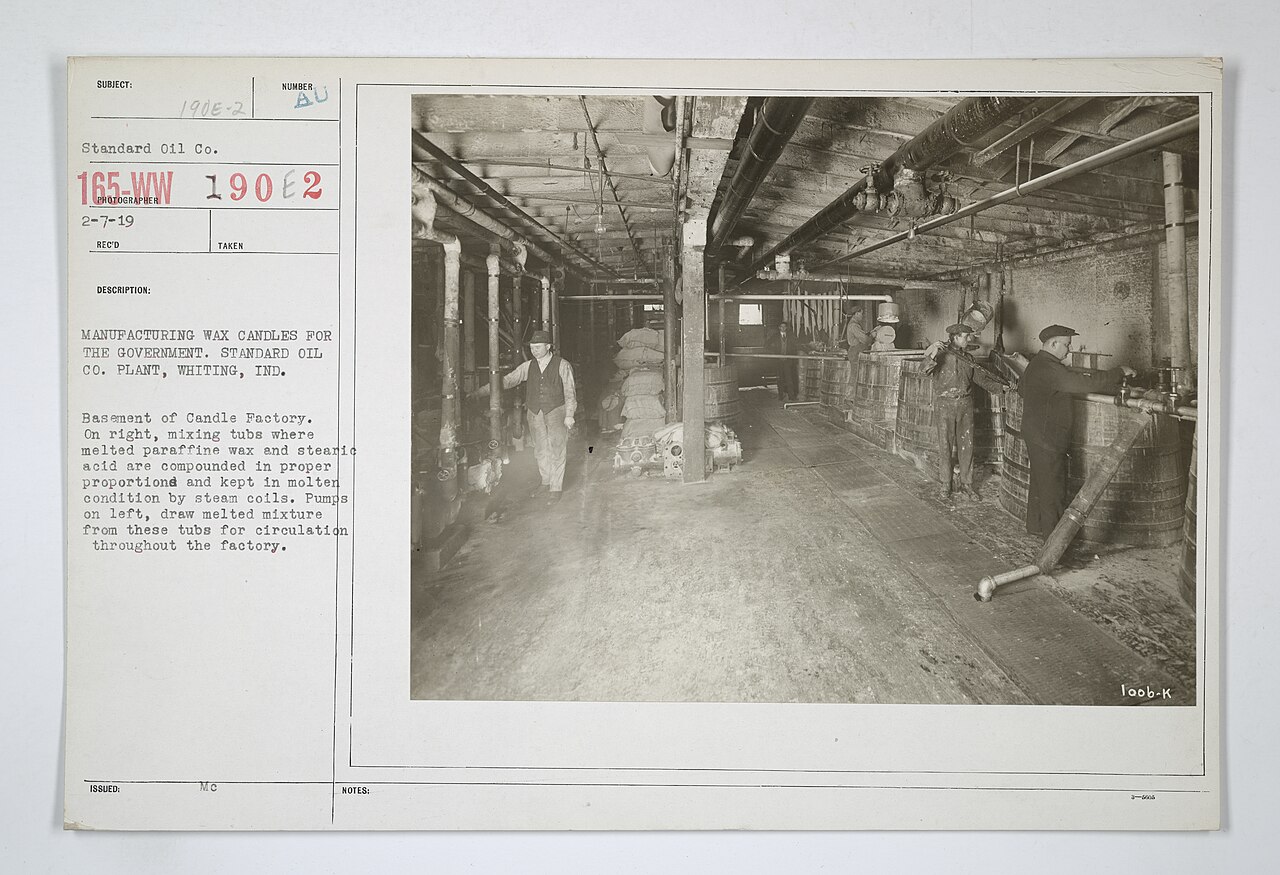
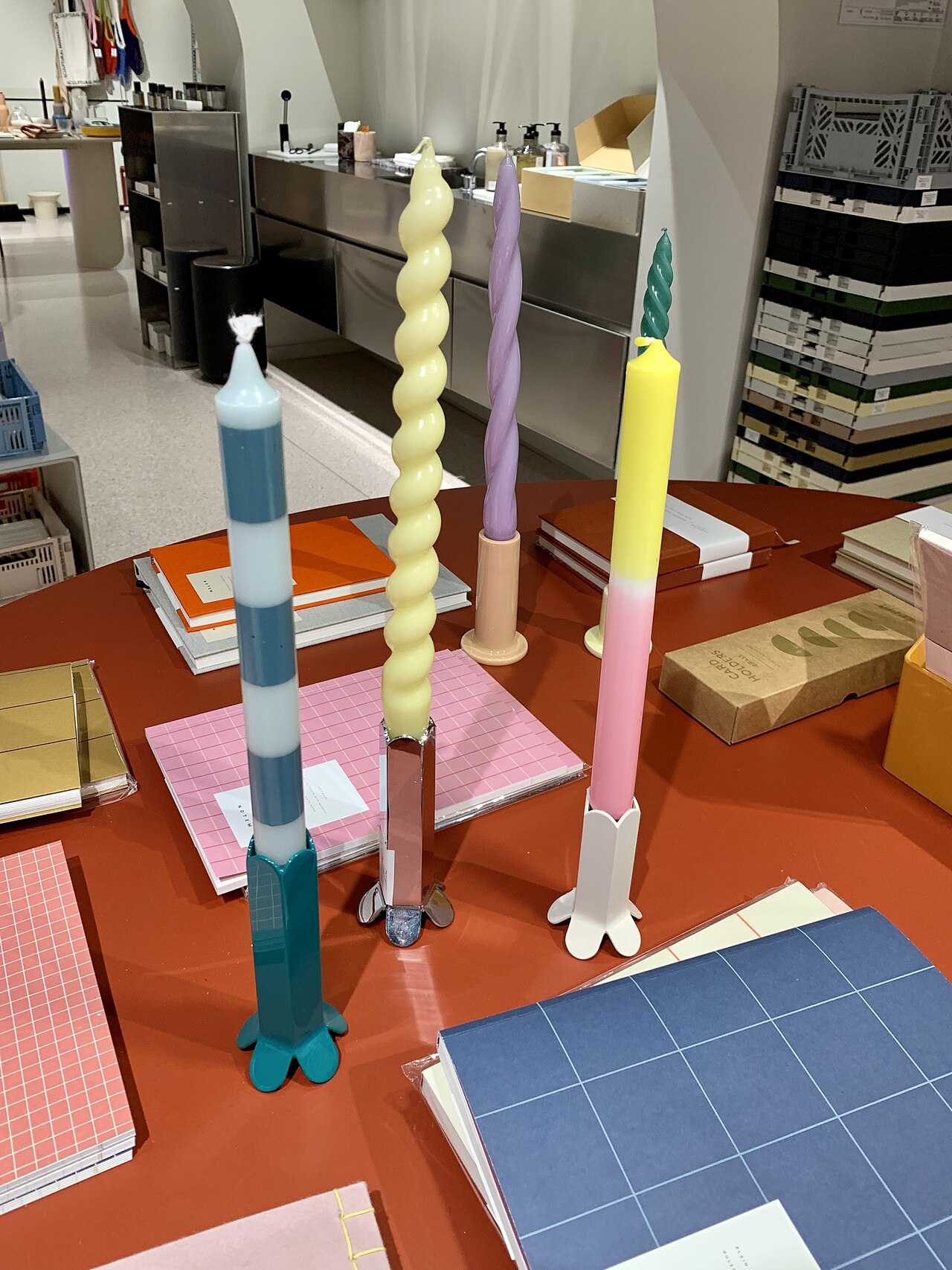
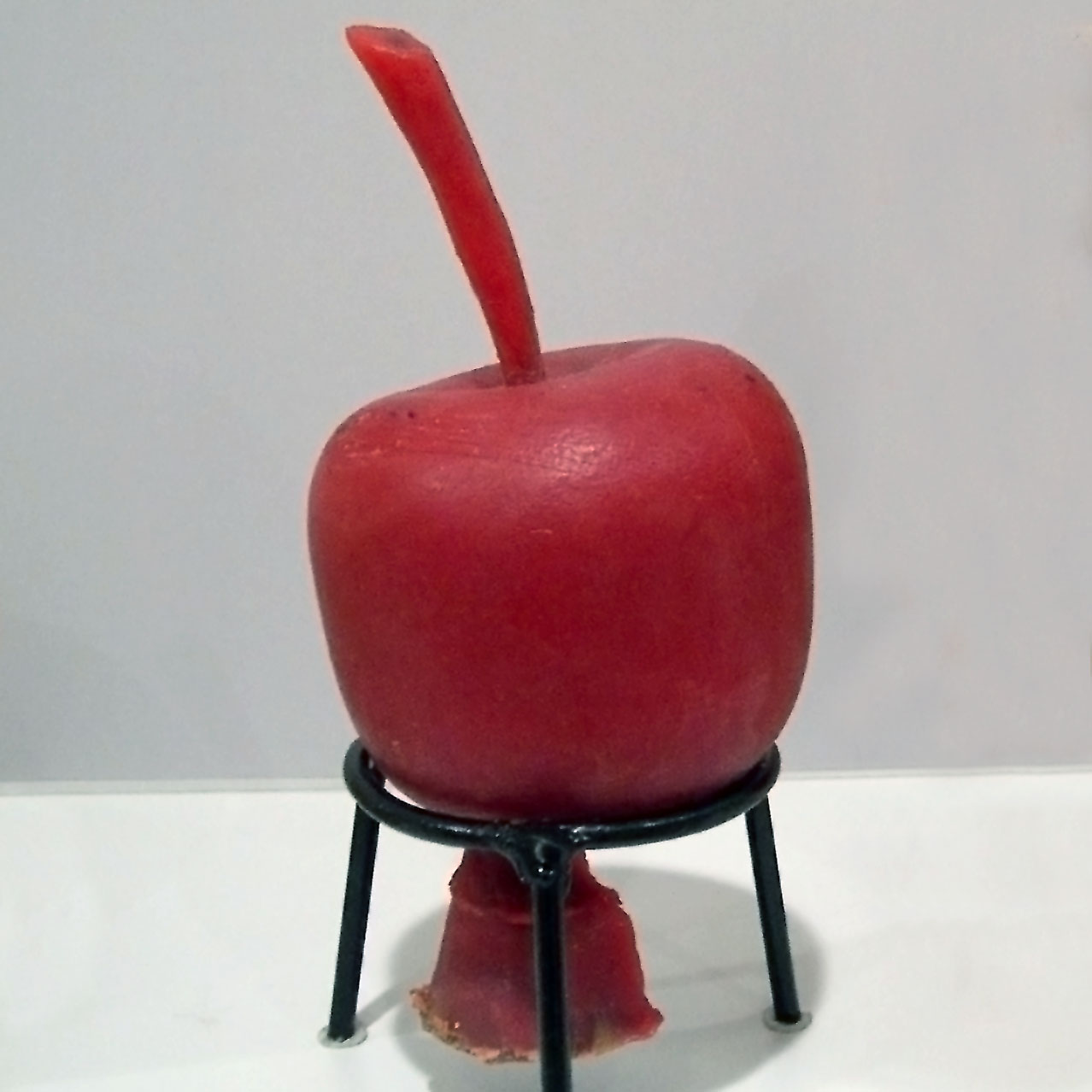
Paraffin represented a major advance in the candle-making industry because it burned cleanly and was cheaper to manufacture than other candle fuels such as beeswax and tallow. Paraffin wax initially suffered from a low melting point, which was remedied by adding stearic acid. The production of paraffin wax enjoyed a boom in the early 20th century due to the growth of the oil and meatpacking industries, which created paraffin and stearic acid as byproducts.
Reader's Guide
Paraffin wax is significant for its wide range of applications, from candles and crayons to industrial uses such as electrical insulation, neutron moderation, and phase-change cooling. Its properties—being an excellent electrical insulator, a good heat storage material, and insoluble in water but soluble in ether, benzene, and certain esters—make it valuable in many fields. In histology, it is used to impregnate tissue for sectioning. The wax is produced by de-oiling slack wax, a byproduct of lubricating oil refining, and can be modified with additives to alter its crystal properties. Occupational exposure to paraffin wax fume is regulated, with a recommended exposure limit of 2 mg/m3 over an 8-hour workday.
Did You Know?
- Paraffin wax phase-change cooling was used on the Lunar Roving Vehicle during crewed Moon missions in the early 1970s.
- The name 'paraffin' comes from Latin meaning 'lacking affinity,' referring to its unreactive nature.
Origins and the Candle Revolution
In 1830, German chemist Carl Reichenbach set out to find an efficient way to separate and refine the waxy substances naturally present in petroleum. His breakthrough yielded paraffin wax, a soft, colorless solid that would transform an entire industry. For centuries, candlemakers had relied on tallow or beeswax, both of which burned with soot and inconsistency. Paraffin changed that equation: it produced a cleaner, steadier flame and could be manufactured at a lower cost, making light accessible to a far broader segment of the population. The material did have one early weakness—its melting point was too low for some applications—but blending in stearic acid solved the problem. The twentieth century brought a production boom, as the expanding oil and meatpacking industries generated paraffin and stearic acid as abundant byproducts, further driving down costs and cementing paraffin's place as the default fuel for household candles worldwide.
Chemical Identity and Physical Character
Paraffin wax is a blend of hydrocarbon molecules whose carbon chains span twenty to forty atoms. In chemistry, the term paraffin is used interchangeably with alkane, denoting compounds that follow the general formula CnH2n+2. The name is a linguistic hint at the material's temperament: it derives from the Latin parum, meaning 'very little,' joined with affinis, meaning 'lacking affinity' or reactivity. In practice, paraffin shrugs off most common chemical reagents, yet it ignites and burns readily, releasing roughly 42 megajoules per kilogram. Physically it appears as a white, odorless, flavorless solid with a density near 900 kilograms per cubic metre and a melting range of about 46 to 68 degrees Celsius. It refuses to dissolve in water but yields to solvents such as ether, benzene, and certain esters. Perhaps most remarkably, paraffin is an outstanding electrical insulator, with resistivity from 10 to the 13th through 10 to the 17th ohm-metres, outperforming nearly every material except a few specialty plastics like PTFE. It also proved its worth in nuclear physics: James Chadwick used paraffin as a neutron moderator in his 1932 experiments confirming the neutron's existence.
From Slack Wax to Refined Product
The journey from raw petroleum byproduct to finished paraffin wax begins with slack wax, a thick mixture of oil and wax that emerges as a byproduct during the refining of lubricating oil. The first critical step is de-oiling, or de-waxing: the slack wax is heated and blended with one or more solvents, typically a ketone, then allowed to cool. As the temperature drops, the wax crystallizes out of the solution while the oil remains dissolved. The mixture is then filtered into two streams—a solid stream containing wax and residual solvent, and a liquid stream of oil and solvent. Distillation recovers the solvent, leaving behind what the industry calls product wax or press wax, alongside a residual liquid known as foots oil. The lower the residual oil content in the wax, the more refined the grade is considered, ranging from semi-refined to fully refined. Additional processing can strip away traces of color and odor. Finally, batches of wax are blended together to achieve target properties such as a specific melting point or penetration value. The finished product is sold in either liquid or solid form, ready for whatever application demands it.
A Versatile Material Across Disciplines
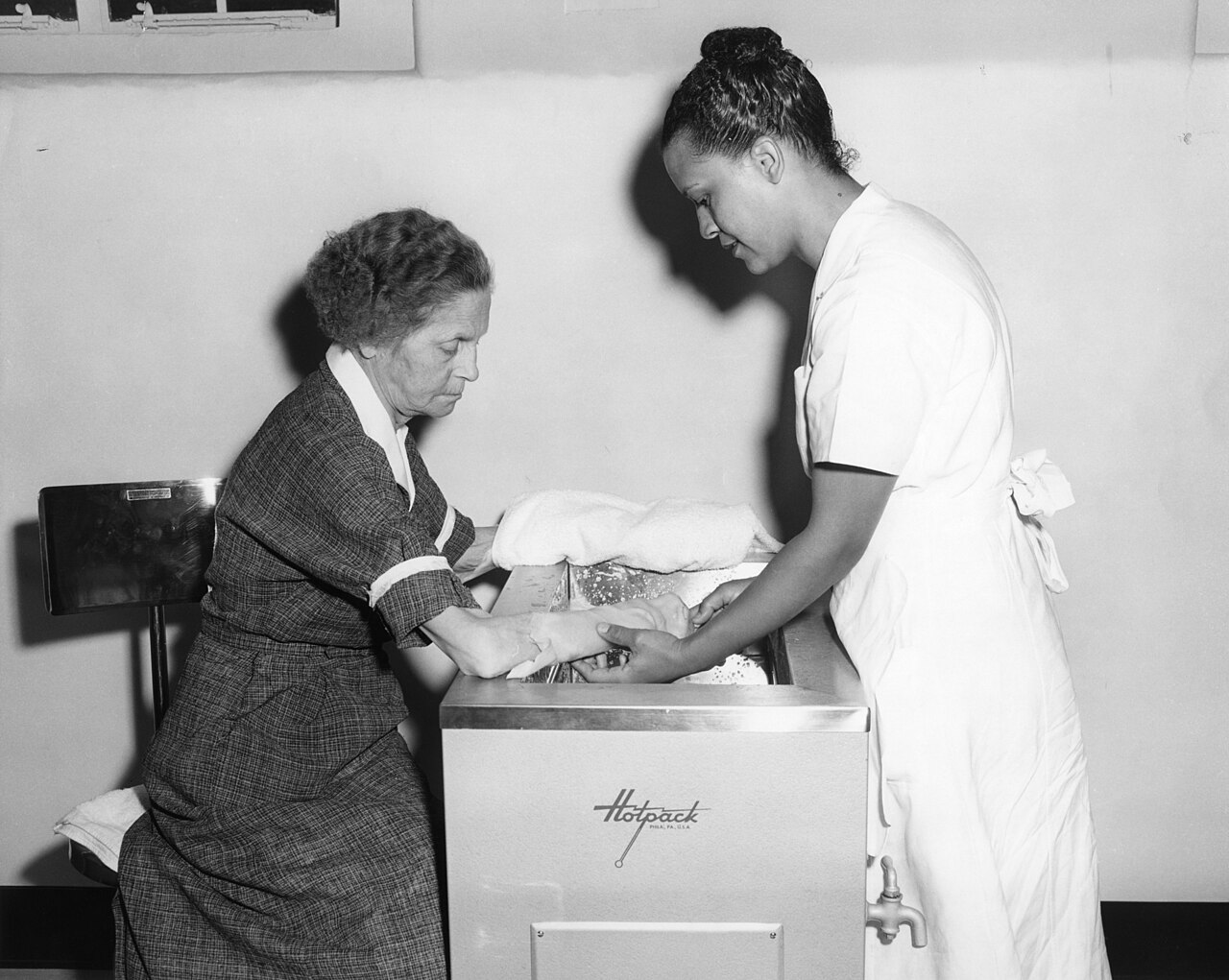
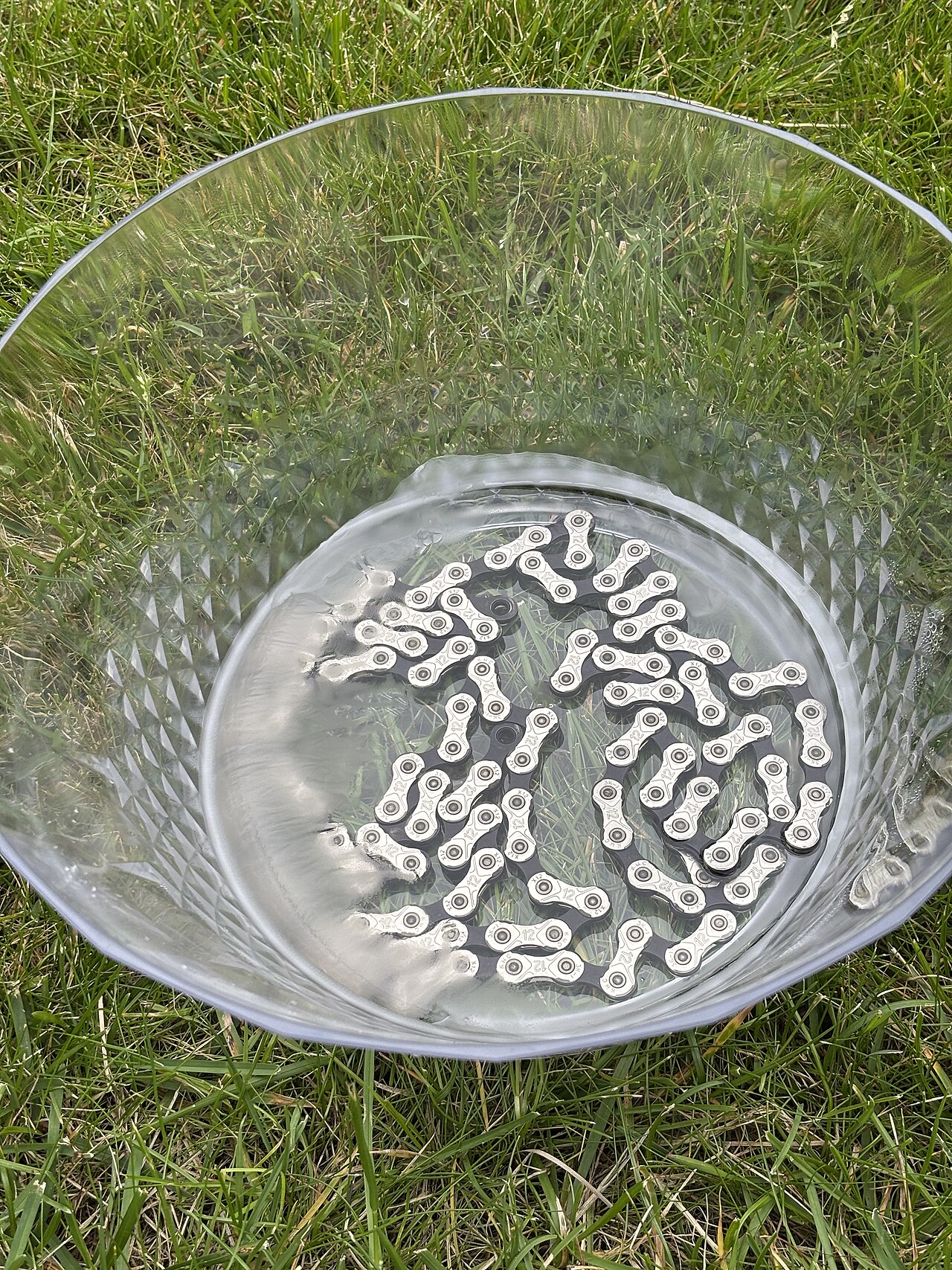
Few materials serve so many masters as paraffin wax. In pathology laboratories, it impregnates tissue samples before they are sliced into thin sections on a microtome, following a sequence of alcohol dehydration and solvent clearing. In the early 1970s, paraffin's ability to store and release heat through phase change made it the cooling medium for the electronics aboard the Lunar Roving Vehicle, paired with retractable radiators. On Earth, the same expansion-when-melting property powers wax-element thermostats in homes, factories, and automobiles. In the kitchen, food-grade paraffin provides the glossy coating on candies, the protective rind on hard cheeses like Edam, and the seal on jars and bottles. In forensics, a paraffin-based nitrate test can detect gunpowder residues on a suspect's hands. In rubber manufacturing, paraffin blends migrate to the surface to form a protective layer against ozone cracking. It lubricates bicycle chains, appears in surfboard and ski waxes, colors crayons, and even fuels fire-breathing performances. In investment casting, specially formulated paraffin-based waxes serve as the sacrificial models around which metal is poured.
Gallery
Frequently Asked Questions
How does Paraffin wax's story end?
Paraffin wax never really exits the narrative; it remains a staple ingredient in candles, cosmetics, and industrial coatings to this day. Its legacy as a cleaner, more affordable fuel and coating agent continues to shape everyday products.
More in Chemical Substances And Materials 1-22
Spotted an error? Know more?
This is a living reference — every entry is fact-audited, and reader corrections feed straight into our audit queue. Suggest an edit · See this site's audit record