Mannitol
Sugar alcohol used as sweetener and to reduce brain and eye pressure.

Su-no-G · Public domain
Mannitol is a sugar alcohol used as a low-calorie sweetener and as a medication. As a medication, it is given by injection or inhalation to decrease pressure in the eyes and to lower increased intracranial pressure. It is on the World Health Organization's List of Essential Medicines and is also on the World Anti-Doping Agency's banned substances list due to concerns that it may mask prohibited drugs.
- discovered_by
- Joseph Louis Proust
- category
- Sugar alcohol, osmotic diuretic
- medical_uses
- Reduction of intracranial pressure, treatment of cerebral edema, elevated intraocular pressure, glaucoma
- common_side_effects
- Electrolyte problems, dehydration
- natural_sources
- Most microorganisms and plants
Lore & Background
It was originally made from the flowering ash and called manna due to its supposed resemblance to the Biblical food. Mannitol is a natural constituent of most microorganisms and plants, having an essential role in maintaining cell and tissue water balance, and responding to environmental stresses such as drought or low temperature. It is an isomer of sorbitol, differing only in the orientation of the hydroxyl group on carbon 2.
Reader's Guide
Mannitol's significance lies in its dual role as a low-calorie sweetener and a critical medication. Medically, it is used intravenously to reduce acutely raised intracranial pressure after head trauma and to treat elevated intraocular pressure in glaucoma. It is also used in kidney failure with low urine output, to increase elimination of certain toxins, and to treat fluid build-up. Inhaled mannitol is indicated for cystic fibrosis in adults. As a sweetener, it has a low glycemic index and is used in chewing gums and candies. Its ability to form stable complexes with boric acid is used in analytical chemistry. Mannitol is produced industrially via hydrogenation of fructose, and also biosynthetically by microorganisms. It is on the World Health Organization's List of Essential Medicines, underscoring its medical importance, while its presence on the World Anti-Doping Agency's banned list reflects concerns about masking prohibited drugs.
Did You Know?
- Mannitol is an isomer of sorbitol, differing only in the orientation of the hydroxyl group on carbon 2.
- It is used as a cutting agent in drugs such as heroin and cocaine.
- Mannitol is a minor component of mannitol salt agar (typically 1%), while peptones, sodium chloride, phenol red, and agar are the primary ingredients.
- It is on the World Anti-Doping Agency's banned substances list due to concerns that it may mask prohibited drugs.
Clinical Applications and Therapeutic Range
Mannitol occupies a distinctive niche in emergency and surgical medicine as an osmotic diuretic that draws excess fluid out of brain tissue and the eye. Administered intravenously or by inhalation, its therapeutic effects typically emerge within fifteen minutes and can persist for up to eight hours. In the United States, injected mannitol carries indications for reducing intracranial pressure, managing cerebral edema, and lowering elevated intraocular pressure. It is particularly valued in the immediate aftermath of severe head trauma, though evidence shows it performs no better than hypertonic saline as a first-line agent, and hypertonic saline actually outperforms it in treatment-resistant cases. Beyond neurology, mannitol finds roles in kidney failure with reduced urine output, in enhancing toxin elimination, and in intraoperative settings such as renal transplantation, where it has been shown to reduce post-transplant kidney injury. During cardiopulmonary bypass, mannitol is incorporated into the heart-lung machine circuit to shield renal endothelial cells from swelling during periods of low perfusion. In veterinary practice, a twenty-percent intravenous solution serves as the first-line treatment for acute glaucoma by dehydrating the vitreous humor, provided the blood-ocular barrier remains intact.
Culinary and Sensory Properties
Mannitol's role as a food ingredient stems from its poor intestinal absorption, which gives it a relatively low caloric impact and a glycemic index well below that of sucrose, making it a popular sweetener for people managing diabetes. Its sweetness registers at roughly fifty to seventy percent of table sugar, meaning a larger quantity is needed to match the same level of sweetness. One of its most distinctive sensory qualities is its cooling effect on the palate. Although mannitol has a higher heat of solution than most other sugar alcohols, its comparatively low solubility tempers the cooling sensation in products like mint candies and chewing gums. However, when it is fully dissolved in a formulation, it produces a pronounced cooling effect. Its extremely low hygroscopicity—mannitol does not absorb moisture from the air until humidity reaches ninety-eight percent—makes it exceptionally well suited as a protective coating for hard candies, dried fruits, and chewing gums. The pleasant taste and mouthfeel it imparts also make it a favored excipient in chewable tablets. On the downside, because mannitol lingers in the intestines for an extended period, it frequently causes bloating and diarrhea.
Origins, Nomenclature, and Regulatory Standing
The story of mannitol begins in 1806, when the French chemist Joseph Louis Proust first identified the compound. Its original name, manna, reflected an early belief that the substance, extracted from the flowering ash tree, bore a resemblance to the miraculous food described in the Bible. Over the centuries, the name evolved into its current chemical designation, but the etymological link to that ancient reference persists. Today, mannitol holds a prominent position in global public health: the World Health Organization includes it on its List of Essential Medicines, recognizing its critical role in treating life-threatening conditions such as elevated intracranial pressure and acute glaucoma. At the same time, the World Anti-Doping Agency has placed mannitol on its banned-substances list, citing concerns that the compound could be exploited to mask the presence of prohibited performance-enhancing drugs in athletes. Despite its widespread medical and industrial importance, certain safety questions remain unresolved; for instance, it is still unclear whether mannitol use during pregnancy poses any risk to the developing fetus. These contrasting regulatory positions—essential medicine on one hand, banned substance on the other—illustrate the compound's complex place in modern pharmacology.
Molecular Identity and Biological Significance
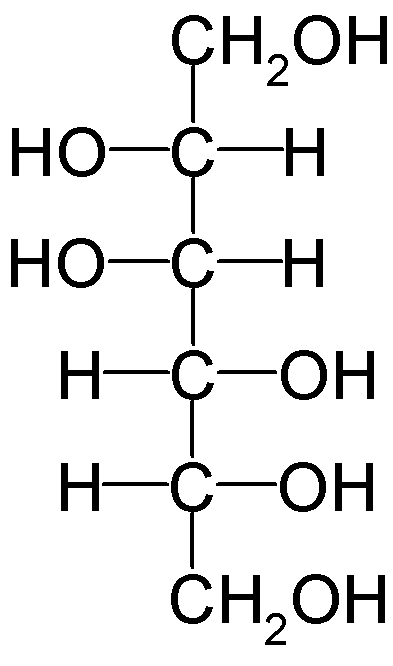
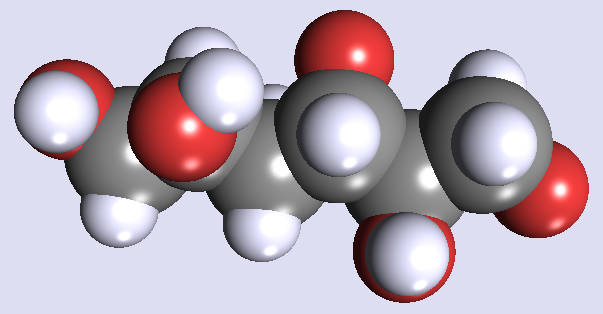
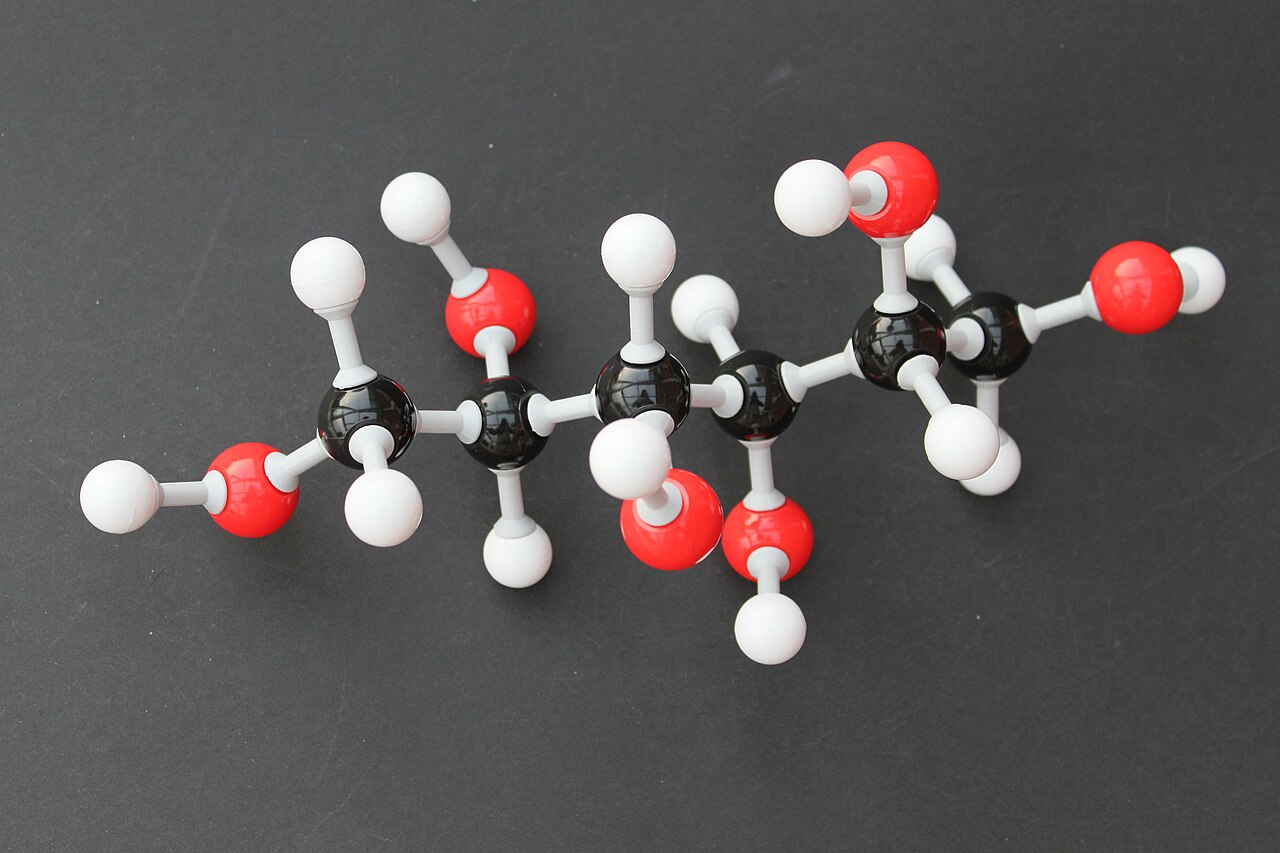
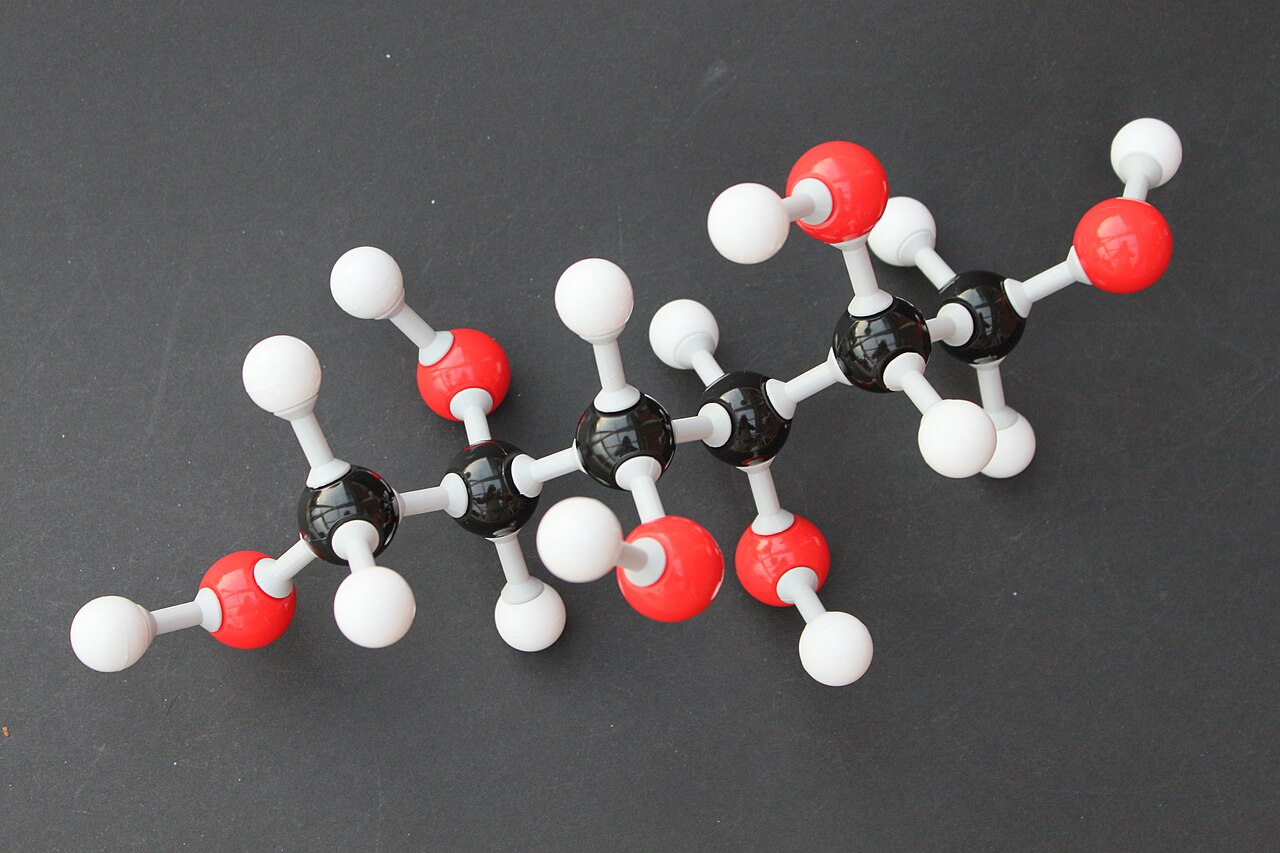
Chemically, mannitol is a sugar alcohol and a structural isomer of sorbitol; the two molecules differ only in the spatial orientation of the hydroxyl group attached to the second carbon atom. This subtle stereochemical distinction gives each compound its own set of physical and biological properties. Beyond the laboratory, mannitol is a natural constituent found in most microorganisms and plants, where it plays an essential role in maintaining water balance at the cellular and tissue level. It also helps organisms respond to environmental stresses such as drought and low temperatures, underscoring its fundamental importance in biological homeostasis. In analytical chemistry, mannitol forms remarkably stable complexes with boric acid, a reaction that enhances the acidity of boric acid by approximately five orders of magnitude, shifting its effective pKa from around nine to below four. This phenomenon, which produces a solution known as mannitoboric acid, allows for far greater precision in volumetric titrations of boric acid. In microbiology, mannitol serves as the primary ingredient in mannitol salt agar, a selective bacterial growth medium, and appears in several other culture formulations. It also finds use as a cutting agent in various intranasal drug preparations.
Gallery

Frequently Asked Questions
What medical conditions is Mannitol used to treat?
Administered by injection or inhalation, it is the go-to agent for bringing down dangerously elevated pressure inside the skull and for relieving high intraocular pressure, making it central to managing cerebral edema and glaucoma. It is listed on the WHO's Essential Medicines list for this reason.
Why does the World Anti-Doping Agency ban Mannitol?
WADA flags the substance because its diuretic action can dilute or alter urine samples, potentially helping an athlete conceal the presence of prohibited drugs. The ban targets this masking risk rather than any performance-enhancing effect of Mannitol itself.
What side effects should a patient expect from Mannitol?
Because it pulls fluid into the bloodstream to create an osmotic gradient, the most commonly reported problems are dehydration and disturbances in the body's electrolyte balance.
Where does Mannitol occur in nature?
It is biosynthesized by a broad range of microorganisms and accumulates in many plant species, which is how Proust originally encountered it before it was developed into a pharmaceutical agent.
More in Chemical Substances And Materials 1-22
Spotted an error? Know more?
This is a living reference — every entry is fact-audited, and reader corrections feed straight into our audit queue. Suggest an edit · See this site's audit record