
Ozone
A pale-blue gas that protects and pollutes the atmosphere.

Mdemyer · CC BY-SA 4.0
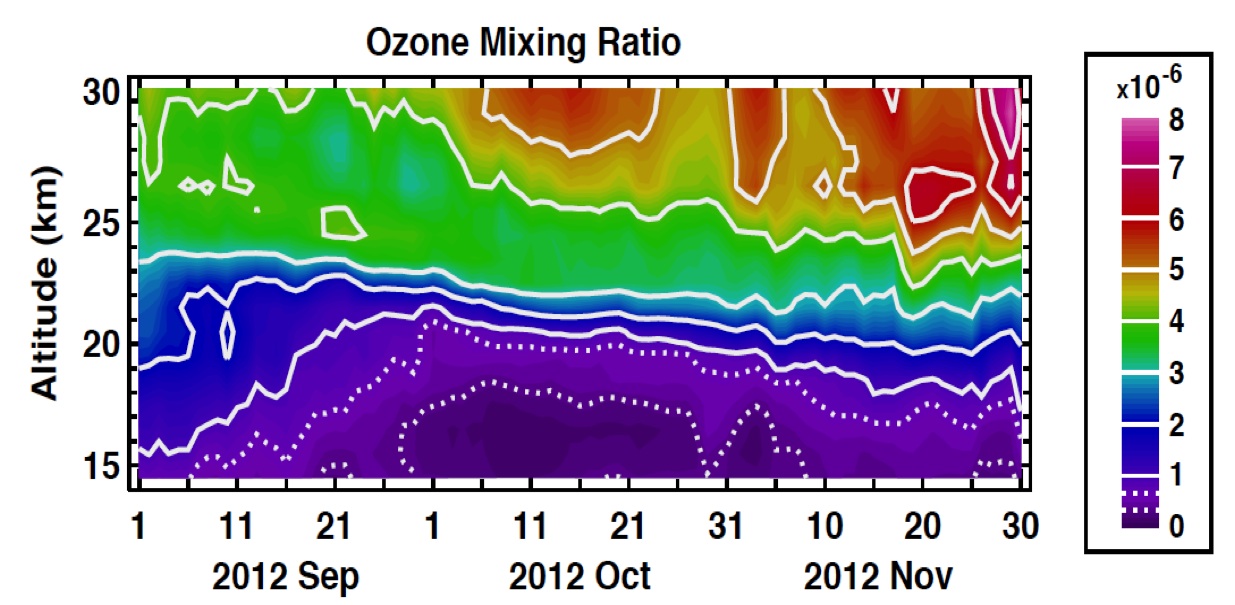
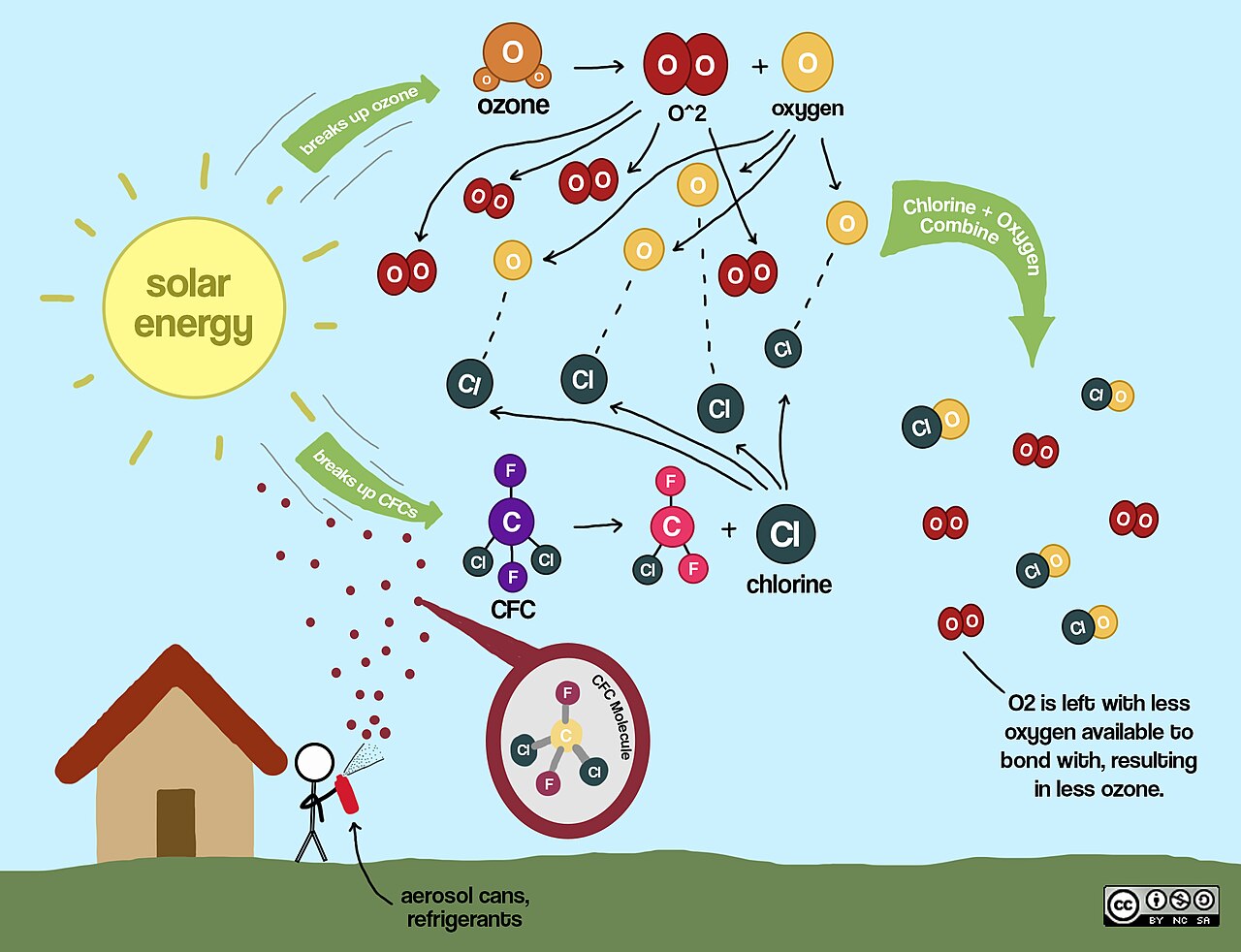
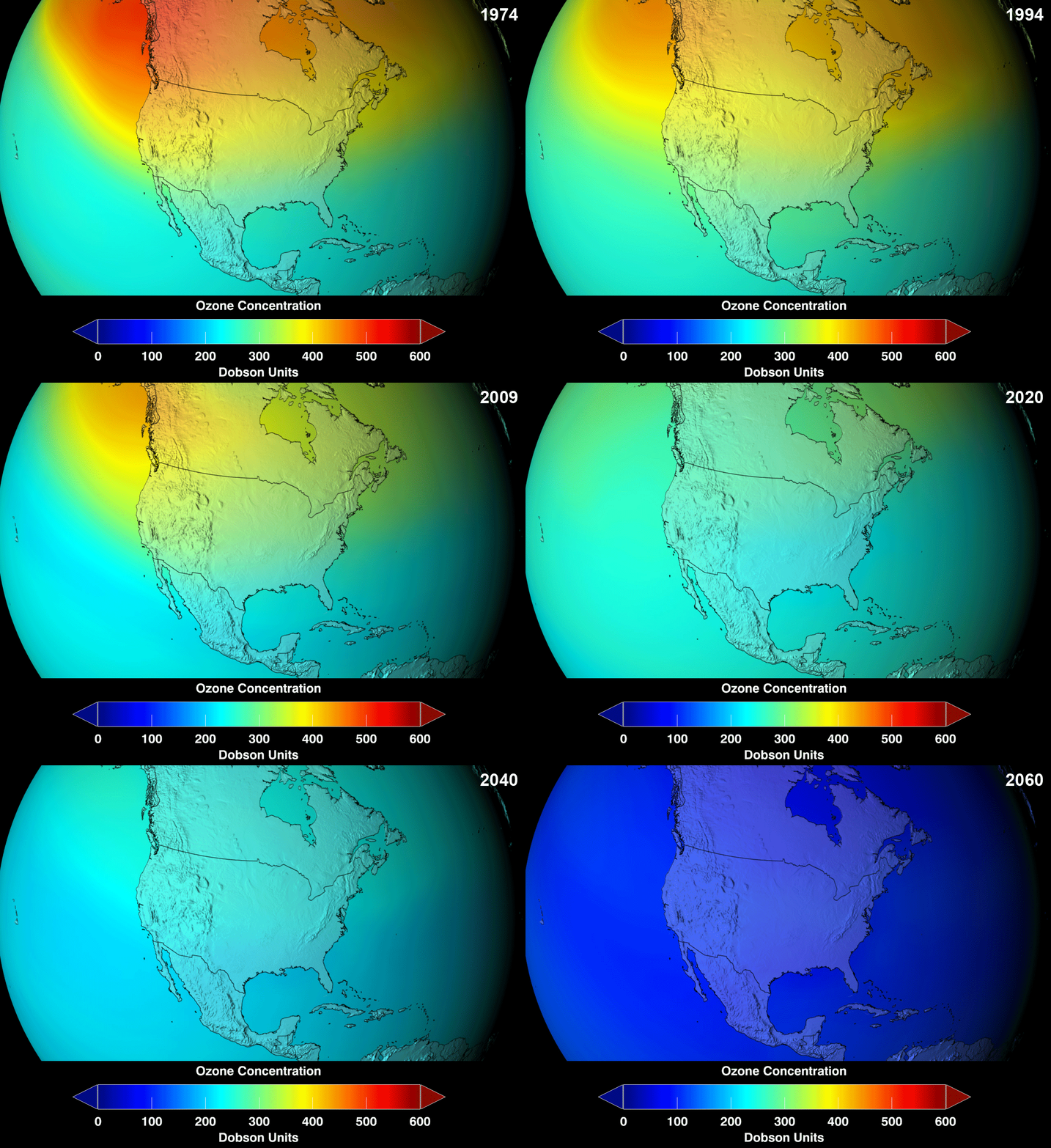
Ozone, also called trioxygen, is an inorganic molecule with the chemical formula O3. It is a pale-blue gas with a distinctively pungent odour, an allotrope of oxygen that is much less stable than the diatomic allotrope O2. Ozone is formed from dioxygen by the action of ultraviolet light and electrical discharges within the Earth's atmosphere, and it is present in very low concentrations throughout the atmosphere, with its highest concentration in the ozone layer of the stratosphere, which absorbs most of the Sun's ultraviolet radiation.
- chemical_formula
- O3
- molecular_shape
- Bent (C2v symmetry)
- key_property
- Powerful oxidizing agent
- hazard
- Respiratory hazard above 0.1 ppm
Lore & Background
For much of the late 19th and early 20th centuries, ozone was considered healthy, with places like Beaumont, California, adopting the slogan 'Beaumont: Zone of Ozone'. Naturalists believed higher elevations and seaside air were beneficial due to ozone. Schönbein himself reported chest pains and irritation from inhaling ozone. During World War I, ozone was tested as a wound disinfectant at Queen Alexandra Military Hospital in London, but it damaged both bacterial cells and human tissue.
Reader's Guide
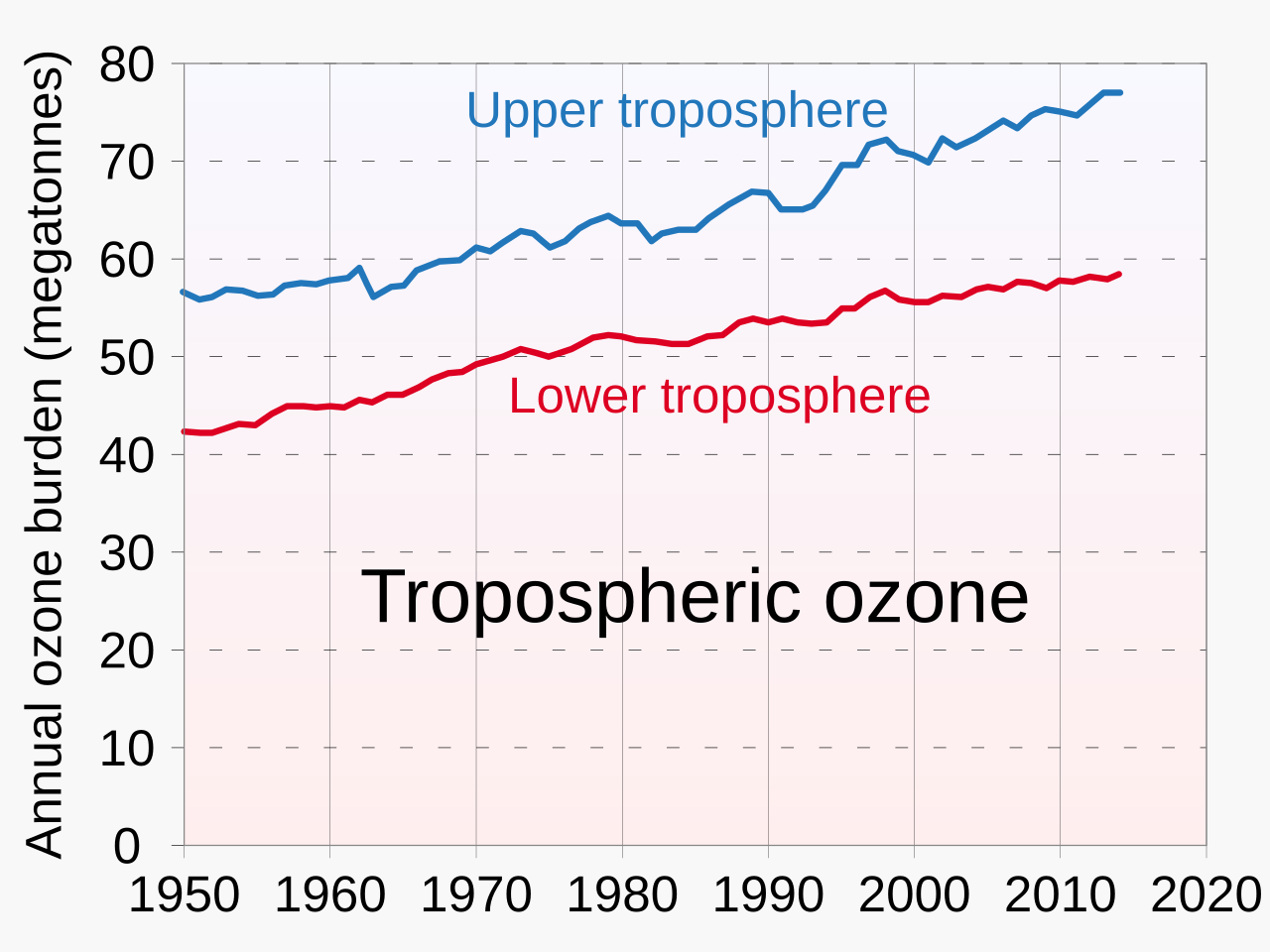
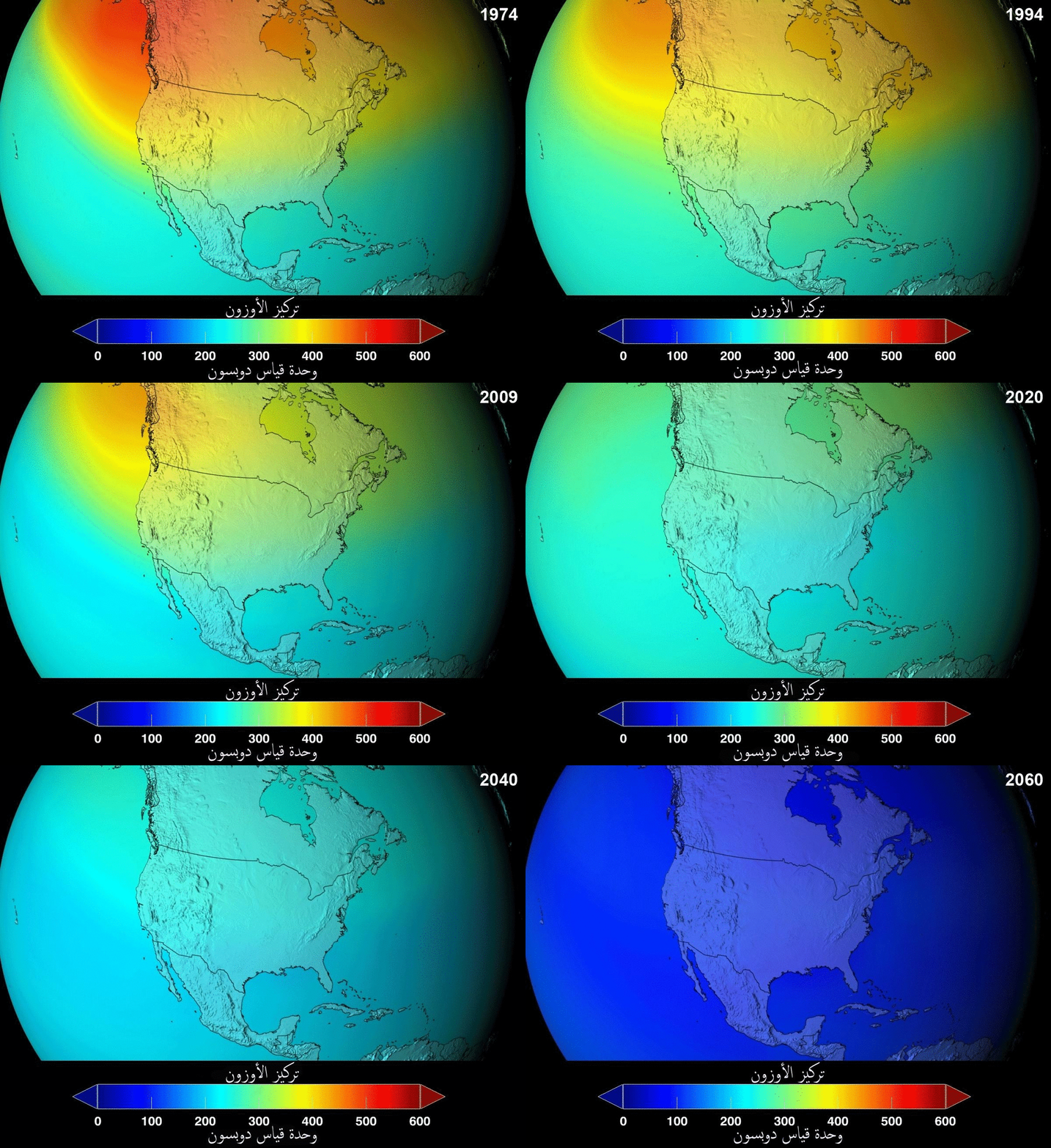
Ozone's significance lies in its dual role as both a protective layer in the stratosphere and a harmful pollutant at ground level. In the stratosphere, concentrations of two to eight ppm absorb most of the Sun's damaging ultraviolet radiation, making it essential for life on Earth. At ground level, however, ozone is a potent respiratory hazard, damaging mucous and respiratory tissues in animals and plants at concentrations above about 0.1 ppm. Its powerful oxidizing properties make it useful industrially for oxidation, but its instability—concentrated gas and liquid ozone can decompose explosively—limits commercial use to low concentrations. The molecule's bent structure and diamagnetism were established by the 1920s, and its resonance hybrid with a bond order of 1.5 explains its reactivity. The molecule remains a critical subject in environmental science, balancing its beneficial UV-blocking role against its toxicity.
Did You Know?
- Ozone's name comes from the Greek word 'ozein', meaning 'to smell', due to its pungent odour.
- Ozone is a bent molecule with C2v symmetry, similar to water, and has a dipole moment of 0.53 D.
- Concentrated ozone gas and liquid ozone can detonate explosively at elevated temperatures or physical shock.
Gallery

Frequently Asked Questions
Who is Ozone?
Ozone (O3) is a bent, pale-blue inorganic gas made of three oxygen atoms, and it carries a sharp, pungent smell that's easy to spot. It's a less stable allotrope of oxygen, meaning it readily breaks back down into the familiar O2 we breathe.
What are Ozone's powers/role?
Ozone is a powerful oxidizing agent, so it aggressively donates oxygen atoms to other molecules it encounters. In the atmosphere it is generated when UV light or electrical discharges crack apart O2, and it reaches its peak concentration in the stratospheric ozone layer.
What is Ozone's role in the story?
High in the stratosphere, the ozone layer soaks up the majority of the Sun's harmful ultraviolet radiation, acting as a shield for everything on the surface. Down at ground level, though, it flips roles and becomes a respiratory irritant and a key component of smog.
Why is Ozone important?
Ozone is the atmosphere's primary UV filter, and without that stratospheric shield, surface life as we know it would be bombarded by dangerous solar radiation. Its dual identity—protector aloft, pollutant below—makes it one of the most consequential molecules in atmospheric chemistry.
More in Chemical Substances And Materials 1-22
Spotted an error? Know more?
This is a living reference — every entry is fact-audited, and reader corrections feed straight into our audit queue. Suggest an edit · See this site's audit record